
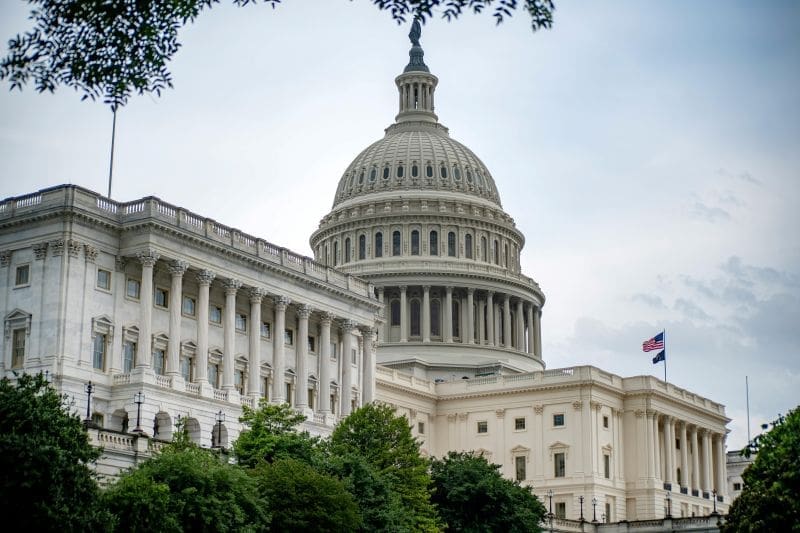
The US Senate has approved the Export Control Transparency Act in an effort to enhance oversight of the Bureau of Industry and Security (BIS) dual use export controls. This Act will require the BIS to submit quarterly reports to Congress detailing export licensing requests. This reporting would include aggregate statistics on all license applications and other requests for authorization. The Act would also require the BIS to provide information of enforcement activities and end-use checks.
Criticism has been leveled against the BIS for failures in safeguarding national security and preventing adversaries from accessing critical defense goods and technologies. This includes a lack of transparency in license approval rationale in cases where sensitive technologies have been sold to China despite a publicly stated presumption of denial policy.
Challenges Facing the Bureau of Industry and Security (BIS)
This legislation is part of on going effort to address the Bureau’s challenges in developing effective regulatory export controls for sensitive technologies. The Bureau of Industry and Security (BIS) has faced several challenges and shortcomings in its previous actions regarding export controls. These have included enforcement activities being hampered by outdated technologies and insufficient resources, underinvestment in technology, lack of proactive initiatives, and limited coordination with the Department of Defense Trade Controls (DDTC).
Conclusions
The Export Control Transparency Act seeks to amend the export control reform act of 2018 in maintaining American superiority in technology and protecting United States national security. Hopefully this will result in regulatory requirements that effectively target specific threats without placing unnecessary restrictions on legitimate exports. Additionally, congressional oversight could provide license approvals consistent with the agency’s regulations.
CVG Strategy Export Compliance Expertise
The DDTC, the BIS, and the OFAC, along with international partners have greatly increased their activities in the generation and enforcement of regulations. This increases the likelihood of a non-egregious violation occurring even in a company with a well-run export compliance program. CVG Strategy can assist organizations through the Voluntary Self Disclosure process and guide you through these difficult procedures.
If you are part of a large corporation or a small company with a part-time compliance person, CVG Strategy has the compliance and training programs to help you meet International Traffic in Arms Regulations (ITAR) and Export Administration Regulations (EAR) rules and requirements. As the BIS place controls on a growing number of technologies it becomes increasing difficult for smaller businesses to stay abreast of regulatory developments. Because of this, we provide Export Compliance Management Programs (ECMP) for businesses of all sizes.
CVG Strategy, LLC is recognized the world over as the premier provider of Export Compliance Consulting and Export Compliance Programs for businesses involved in export in the U.S. and Canada. We also provide the essential training that ensures that your team is up to date on governmental regulations, including the Export Administration Regulations (EAR), the International Traffic in Arms Regulations (ITAR), the Canadian Controlled Goods Program, and Office of Foreign Asset Controls (OFAC) and other regulatory agencies and more.